Insurance Approved Van Locks: The Complete, No-Nonsense Guide for UK Van Owners

Many van owners search online for insurance approved van locks. It sounds like a clear category – a list of locks officially accepted by insurers, guaranteed to reduce premiums and required for certain policies. Unfortunately, the reality is more complicated. The phrase is widely used, but it does not mean what most people think. This article explains the topic in a simple way. If you want a clear, honest overview of how insurance interacts with van locks, what approvals actually exist, and what matters to insurers, you will find it all here.

Why the Phrase “Insurance Approved Van Locks” Causes So Much Confusion

Many online adverts, product descriptions and customer conversations use the phrase insurance approved van locks. It creates the impression that insurers have a formal list of specific locks they officially approve. In the past, that was partly true for a small number of mechanical products. But today, there is no official insurance approval scheme for aftermarket van locks in the UK.

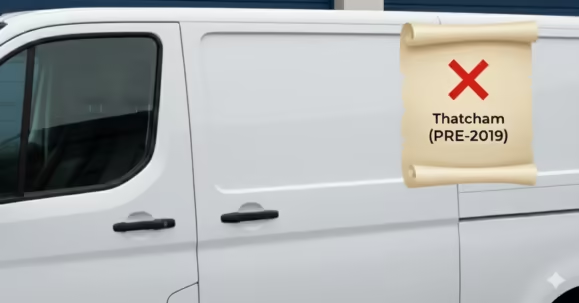
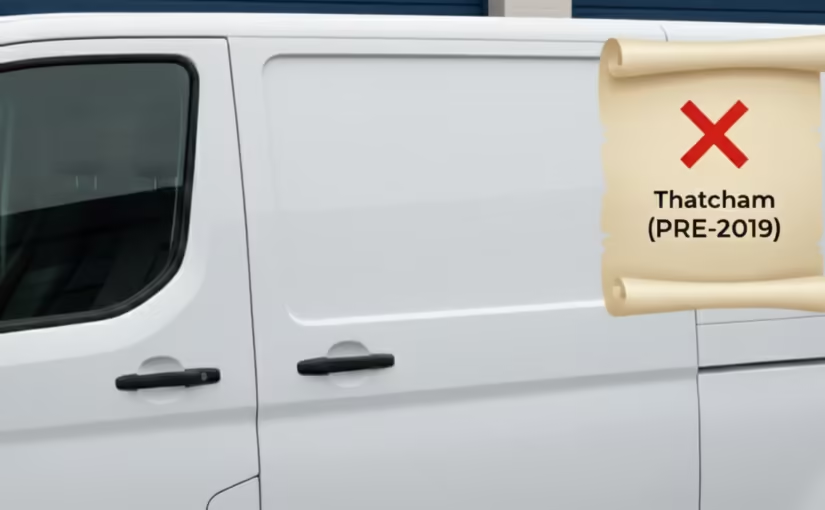
This confusion mainly comes from the historic role of Thatcham Research. For many years, Thatcham tested various vehicle security products, and some categories included mechanical door locks. As a result, when a lock passed their old tests, people used to say it was “insurance approved”. But since 2019, Thatcham no longer tests or certifies mechanical van locks.

This means:

  1. No aftermarket deadlock or slamlock on the market today holds an up-to-date Thatcham approval.
  2. Insurers do not operate any approval system of their own.
  3. The phrase is now mostly a leftover from the past or a marketing shortcut.

So when companies still advertise locks as “insurance approved”, they are usually referring to a concept that no longer exists.

Insurance Approved Van Locks and Their Impact on Premiums

Even without a formal approval scheme, extra locks can still play a role in insurance pricing – but not in the guaranteed or uniform way many owners expect.

  1. You might receive a small discount. A van with stronger physical security is less likely to be attacked, so some insurers may offer a reduced premium. However, the discount is usually modest and not available from every provider.
  2. Extra locks can help you qualify for tool cover. Some insurers require additional security before they will insure tools stored in the van, especially overnight.
  3. Insurers may consider it during claims. Additional locks show that you took reasonable steps to protect your vehicle. This can help avoid disputes.
  4. But: don’t expect dramatic savings. Mechanical locks rarely produce large premium reductions. The real value is in preventing a theft, not just lowering your premium.

What Insurers Actually Care About

While there is no official list of insurance approved van locks, insurers do care about van security. But they focus on other elements:

Factory-Fitted Systems

Most modern vans come with an immobiliser, which insurers treat as standard. Some policies state that theft cover only applies if the immobiliser is present and working.

Use of Security

Insurers expect you to use all the van’s security – alarms, central locking, extra locks. Leaving it unlocked may void your claim.

Evidence of Forced Entry

Tool theft claims often require proof of forced entry. Strong locks typically create visible damage, which helps prove a break-in occurred.

Overnight Storage Conditions

Tool cover often has strict conditions:

  1. Tools must be removed when parked at home
  2. Van parked in a locked garage or private driveway
  3. Additional locks required on the street
  4. Alarm or immobiliser must be active

If these rules aren’t followed, insurers may refuse to pay.

High-Value Vans and Trackers

For high-value vans and campervans, insurers may require an active tracking device (Thatcham-certified). Trackers are still approved under Thatcham categories, unlike mechanical locks.

If There Are No Insurance Approved Van Locks, Which Standards Matter?

Even without insurer approval, independent testing standards can guide your choice:

Sold Secure Ratings

Run by the Master Locksmiths Association, Sold Secure rates locks Bronze, Silver or Gold. Gold-rated locks offer the highest resistance to attack.

Secured by Design

This UK Police initiative certifies products that meet crime prevention standards. Many van locks have both Sold Secure Gold and Secured by Design approval.

Electronic Security from Thatcham

Although Thatcham no longer certifies physical locks, it still approves electronic security like alarms, trackers and immobilisers. These are often required.

Why Insurance Approved Van Locks Still Matter – Even Without Approval

Fitting aftermarket van locks may not guarantee a cheaper premium, but it makes a big difference in real-world theft prevention.

Additional Locks Strengthen Weak Points

Factory locks are vulnerable. Criminals often peel doors or force barrels. Extra locks create a second, tougher line of defence.

They Help Prevent Quick, Silent Break-ins

Thieves move fast. If a van looks difficult or noisy to break into, they often move on.

Visual Deterrent

Visible locks show the van is protected – making it a less attractive target.

They Reduce Damage Costs

A thief damaging a secondary lock may leave the factory mechanism untouched, saving on costly repairs.

They Help with Insurance Claims

If a break-in occurs, visible force on the locks supports your claim.

Choosing the Right Van Locks: Gold Standards and Beyond

If you want to go beyond basic protection:

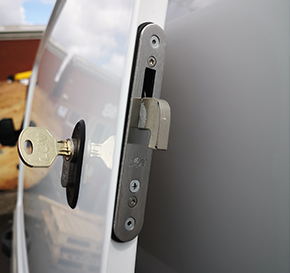
  1. Hooklocks: Resist peeling attacks.
  2. Slamlocks: Lock automatically – ideal for couriers.
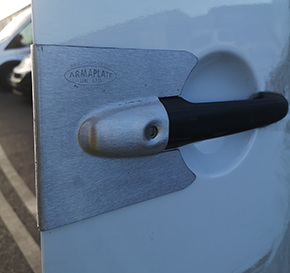
  3. Protection plates: Reinforce known attack points.

Choose locks that match your daily use – and combine them for best results.

How to Make Your Van Locks Count for Insurance

To avoid claim disputes and get the most value:

  1. Inform your insurer that extra locks are fitted.
  2. Use all locks every time you leave the vehicle.
  3. Keep proof of installation – photos, invoices, certificates.
  4. Understand policy conditions for tool cover and theft.
  5. Pair locks with electronics like alarms or trackers.

Insurance Approved Van Locks – The Bottom Line

There’s no such thing as officially insurance approved van locks, but that doesn’t mean extra locks don’t matter.

They:

  1. Deter theft
  2. Help validate insurance claims
  3. Unlock access to tool cover
  4. Reduce repair costs
  5. Protect your income and business continuity

Extra locks aren’t about chasing a discount – they’re about not needing to make a claim at all.

Final Thoughts on Insurance Approved Van Locks

Van insurance can be confusing – especially with outdated terms like “insurance approved locks” still being used. The key is knowing what really counts. Fitting high-quality locks, using them daily, and combining them with electronic security gives you real-world protection that insurers respect – even if they don’t officially approve it.


Follow us on Facebook or Instagram for practical van security tips and updates on real break-in methods, trends and prevention.


MICHAEL KOSCIELNY

MICHAEL KOSCIELNY

With more than 10 years of experience within the van security industry, I will comprehensively assist you through upgrading the security of your vehicle, from choosing the right product to the final installation. Please fill out a short quotation request form and help me make your van more secure than ever before.

Spread the cost of your bill. Pay over 4 interest-free instalments

services

Van Locks

Efficiency of van locks fitted to your vehicle will give you peace of mind every time you leave your van unwatched.

learn more

Protection plates & Other solutions

Van security ideas which we recommend adding to locks for vans: Handle shields, Anti-peel bracket, Van shields, Loom guards, Cat locks

learn more

Transportation options

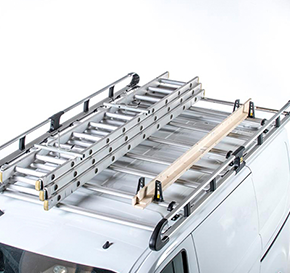
The way you carry the goods during the transportation is also super important. Roof bars or roof racks will provide you with convenience and safety in this process.

learn more

storage options

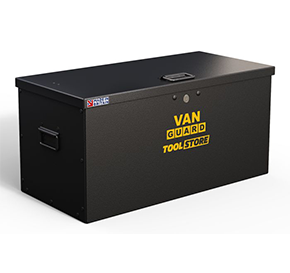
The van storage box is another layer of security while van racking will help to keep your tools in order so you will never waste a time finding them.

learn more

Accessories

Add-ons that help to keep your van in great condition.

learn more

How to Prevent Van Locks Freezing in Winter

When the temperature drops, one of the most common frustrations for van owners is frozen van security locks. Understanding how to prevent van locks freezing in winter can save you time, stress, and potential damage to your vehicle. In this article, we’ll explain why van locks freeze, how to stop it from happening, and what you can safely do if your van lock is already frozen.


Why Van Locks Freeze and How to Prevent Van Locks Freezing in Winter

Van security locks work in a similar way to the lock on your front door. Inside, there are small metal pins and springs that align when you insert your key. When everything is clean and dry, the mechanism works smoothly. However, moisture can easily get into the lock cylinder. When the temperature drops below zero, that moisture turns into ice, blocking the movement of the pins.

Unlike house doors, your van is exposed to the elements every day. The constant motion of driving, vibration, and temperature changes create more opportunities for water to enter the locking mechanism. Even tiny gaps or worn seals can let in condensation or rainwater, which later freezes. The key to preventing van locks freezing in winter is simple maintenance and care.


How to Prevent Van Locks from Freezing in Winter

Prevention is always easier than fixing a frozen van lock. Here are the best ways to keep your van locks working properly through cold weather.

1. Regular Van Lock Maintenance

The most effective way to prevent frozen van locks is by keeping them clean and lubricated. Dust, salt, and moisture can accumulate in the mechanism, increasing the chance of freezing.

Make it a habit to clean your van locks before the cold season begins. Use a soft brush or a can of compressed air to remove dirt from the keyhole. After cleaning, apply a lubricant designed for cold weather use, such as PTFE (Polytetrafluoroethylene), silicone spray, or graphite spray.

2. Best Lubricants to Protect Van Locks and Stop Them Freezing

Lubricants like PTFE sprays, silicone sprays, and graphite powders work by creating a thin, protective layer inside the van lock. This layer repels moisture and prevents water from staying in the mechanism long enough to freeze.

  • PTFE spray – known for its low friction and water-repelling properties. It doesn’t freeze, even in extreme cold, and keeps the key turning smoothly.
  • Silicone spray – creates a waterproof coating that prevents moisture from entering. It’s safe for most materials, including rubber and metal.
  • Graphite lubricant – a dry powder that doesn’t attract dust or dirt, ideal for keeping van security locks functional in freezing temperatures.

Prevent Van Locks Freezing

All of these products help push moisture out and prevent freezing, but you should avoid WD-40.

3. WD-40 vs. Van Security Lubricants – Why It Won’t Prevent Van Locks Freezing

WD-40 is a common household product, but it’s not suitable for van locks in winter. While it does remove moisture at first, it leaves behind an oily residue that attracts dirt and dust. Over time, that residue thickens and can actually trap moisture inside the lock. In freezing weather, this makes the problem worse.

If you’ve already used WD-40, it’s best to clean the van lock with a contact cleaner or brake cleaner before applying PTFE or silicone spray.

4. How Often to Lubricate Van Locks in Winter

Lubricating once before winter starts isn’t enough. The effects of rain, snow, and road salt can reduce the protection over time. Reapply PTFE or silicone spray every few weeks during the cold months. If you wash your van often, apply lubricant again after washing, as water and cleaning agents can remove the coating.


What to Do If Your Van Lock Is Frozen

Even with the best care, a sudden freeze can still catch you by surprise. If your van lock is already frozen, don’t panic. Here’s how to handle it safely.

1. Use a Professional Van Lock De-Icer

Lock de-icers are designed specifically to melt ice inside van locks without causing damage. They usually contain alcohol or other antifreeze agents that quickly dissolve ice. Keep a small bottle in your glovebox or coat pocket (never inside the van) so you can access it when needed.

Apply the de-icer directly into the keyhole and wait a few seconds before trying to insert the key. Gently turn it — don’t force it, as you could break the key inside.

2. Warm the Key Before Unlocking Frozen Van Locks

If you don’t have a de-icer, you can gently warm your key before inserting it. Hold the key near a lighter or use a pocket heater for a few seconds. The small amount of heat will help melt the ice inside the van lock. Be cautious — do not overheat the key, as excessive heat can damage the key or the mechanism.

3. Thaw a Frozen Van Lock Safely with a Hair Dryer or Heater

If the situation is more serious, a hair dryer or portable heater can help. Blow warm air towards the van lock from a safe distance — at least 30–40 cm away — to avoid damaging paint or plastic parts. Move the warm air around to distribute heat evenly.

Avoid holding the dryer or heater too close. Concentrated heat can crack paint, warp plastic, or cause condensation that will later refreeze.

4. Why You Should Never Pour Boiling Water on Van Locks

It might sound like a quick fix, but pouring hot water over the van lock is one of the worst things you can do. The sudden temperature change can damage the metal, seals, and paint. Moreover, when the water cools, it can refreeze inside the mechanism, making things even worse.


After Thawing: Maintain and Prevent Van Locks Freezing Again

Once you’ve managed to unfreeze the van lock, take a few extra steps to prevent it from happening again.

  1. Dry the van lock completely. Use a soft cloth or tissue to remove any visible moisture.
  2. Apply PTFE or silicone spray to expel remaining water and form a protective barrier.
  3. Repeat the treatment for several days after thawing, especially if temperatures stay low.
  4. Store the van under cover whenever possible to reduce exposure to rain or snow.

These simple actions ensure your van locks remain dry and functional throughout the season.


Extra Winter Tips for Van Owners to Prevent Van Locks Freezing

  • Clean around handles and keyholes regularly — dirt and salt can trap moisture.
  • Check door alignment — if the door doesn’t close properly, gaps can let in water.
  • Use car covers or windscreen protectors to shield van locks from direct frost.
  • Avoid using car washes in sub-zero temperatures — the water can freeze instantly in the locks.
  • Use rubber conditioner on door seals to stop them from sticking to the frame.

Frequently Asked Questions About Van Locks Freezing

Can I use WD-40 if that’s all I have?

No. WD-40 may seem to help temporarily, but it leaves residue that attracts dirt and traps water, increasing the risk of freezing later.

How often should I lubricate my van locks in winter?

Ideally every 2–3 weeks, or after every wash. Consistent maintenance prevents water from staying inside the mechanism.

Is PTFE spray better than silicone spray for van locks?

Both work well. PTFE offers superior lubrication for moving parts, while silicone provides better water resistance. Many van owners use both — PTFE for the internal parts, and silicone around the keyhole and seals.

What’s the best emergency method if my van lock is frozen and I’m stuck?

Use a lock de-icer if you have one. If not, gently warm the key or use a hair dryer from a distance. Never use boiling water.

Can I prevent van locks freezing completely?

With regular maintenance and proper products, you can reduce the risk almost entirely. No method is 100% foolproof, but consistent care keeps you one step ahead.


Conclusion: Keep Your Van Locks Protected This Winter

Knowing how to prevent van locks freezing in winter can make a big difference to your daily routine. The key lies in regular care, using the right lubricants, and avoiding harmful quick fixes. Products like PTFE and silicone sprays are inexpensive, widely available, and highly effective when used correctly.

By taking a few minutes every few weeks to maintain your van locks, you’ll save yourself from cold mornings, broken keys, and costly repairs. Stay prepared, keep your van secure, and let winter do its worst — your locks will be ready.

Follow us on our Facebook or Instagram, where we regularly share practical tips and advice on keeping your van security locks in top condition.

MICHAEL KOSCIELNY

MICHAEL KOSCIELNY

With more than 10 years of experience within the van security industry, I will comprehensively assist you through upgrading the security of your vehicle, from choosing the right product to the final installation. Please fill out a short quotation request form and help me make your van more secure than ever before.

Spread the cost of your bill. Pay over 4 interest-free instalments

services

Van Locks

Efficiency of van locks fitted to your vehicle will give you peace of mind every time you leave your van unwatched.

learn more

Protection plates & Other solutions

Van security ideas which we recommend adding to locks for vans: Handle shields, Anti-peel bracket, Van shields, Loom guards, Cat locks

learn more

Transportation options

The way you carry the goods during the transportation is also super important. Roof bars or roof racks will provide you with convenience and safety in this process.

learn more

storage options

The van storage box is another layer of security while van racking will help to keep your tools in order so you will never waste a time finding them.

learn more

Accessories

Add-ons that help to keep your van in great condition.

learn more

Best Interior Lock for Campervan Security: HabiLock Review

Over the past few years, I’ve worked with a wide range of van security locks. One question that often comes up is: what’s the best interior lock for campervan security? In that context, HabiLock offers something genuinely different as the best interior lock for campervan security. As van life continues to grow in popularity, reliable protection is more important than ever. I’ve helped many owners secure their vehicles and tools, and from my experience, choosing the right lock is not just about safety — it’s about daily practicality too.

This article takes a closer look at HabiLock — a lock designed specifically with campervan life in mind. I’m sharing my observations from installation work, discussing its advantages and limitations. This is not a promotional piece, but a practical assessment based on hands-on experience.

The biggest challenge for van owners is often finding a lock that delivers solid external security while still being convenient to use from the inside. Too often, security solutions swing too far in one direction, forcing you to choose between safety and usability.

What Makes HabiLock Stand Out?

HabiLock brings a genuinely new concept to the table. It’s built for campervans and aims to solve real-world issues that basic van locks often overlook — combining external protection with interior functionality.

There are two versions to suit different needs. The standard HabiLock is designed for internal mounting and use. In my view, this is essential for anyone sleeping in their van — it lets you lock the doors from inside, keeping you secure without stepping outside.

HabiLocks and HabiLock Plus

The HabiLock Plus takes it further with dual operation. It can be locked and unlocked from both inside and outside, which adds a lot of flexibility depending on your travel routine. Whether you’re leaving the van or staying in for the night, the lock works around your habits.

What I find most notable about HabiLock is the way it balances ease of use with physical security. Many products I’ve seen tend to favour either brute strength or user-friendliness — this one tries to achieve both.

Key Advantages of HabiLock for Interior Campervan Security

The main benefit, in my opinion, is internal operation. It solves a common problem for those who want extra protection at night or when parked in less secure places — you can stay inside and still secure the van.

Another strength is build quality. HabiLock uses high-grade materials and a well-thought-out mounting system that spreads force across the door, making forced entry more difficult. Its construction and the way it’s installed appear more robust than many other options available.

With HabiLock Plus, you gain additional convenience. Being able to secure the van from both sides reduces the chance of forgetting to lock up or leaving a door unprotected. It adapts to your lifestyle, whether you’re inside for the evening or heading out.

Installation isn’t particularly simple, especially for those without experience in fitting van security locks. The instructions are clear, and the parts are solid, but it requires care and the right tools. This isn’t a plug-and-play job.

From what I’ve heard from other van owners — and seen during fitting — HabiLock gives people peace of mind. For many, it delivers what they expect from the best interior lock for campervan security. Travelling and sleeping with confidence that the system is working as intended makes life on the road feel more relaxed and secure.

Potential Drawbacks to Consider

No product is perfect. HabiLock Plus is more expensive than basic van locks. For some, the cost may be a barrier, but the extra security and convenience may justify it — especially for those who spend lots of time in their van.

best interior lock for campervan security - HabiLock Plus

The Plus model is also more complex. More features mean more components that could require maintenance down the line. I haven’t seen major issues, but advanced systems do demand some care.

Installation varies. On standard vans, it’s relatively straightforward, but unusual door layouts might require modification.

Habi Lock internal mechanism

Lastly, check compatibility. HabiLock fits most setups, but if your van has custom or modified doors, you may need a tailored solution.

How HabiLock Compares to Other Campervan Locks

I’ve compared many locks over the years. Traditional external locks are strong but can’t be used from the inside — not ideal when sleeping in the van. Internal bolts are easy to operate from inside, but they leave the vehicle unprotected when you’re away.

HabiLock bridges that gap and stands out as the best interior lock for campervan security. The standard version offers reliable internal locking, while the Plus model allows for full internal and external control.

In terms of cost, HabiLock sits between entry-level and premium systems. Weighing its features — especially the flexibility and added peace of mind — the value is clear.

Build quality also stands out. Cheaper locks often don’t hold up well to the conditions campervans face — dust, moisture, temperature changes, or attempted break-ins. HabiLock, in my experience, is built to withstand these challenges.

Is HabiLock the Right Interior Lock for Your Campervan?

Whether HabiLock is a good fit depends on your priorities. If you want the ability to lock from inside and enjoy a greater sense of safety, it’s one of the more complete solutions available.

Consider your budget — it costs more than basic systems, but if you care about comfort and security on the road, it may be a worthwhile investment.

Your travel habits also matter. If you’re regularly on the move or park in a variety of locations, the flexibility and protection HabiLock offers can be a real asset.

Final Thoughts

To sum up, HabiLock is worth considering if you’re looking for a lock designed with campervan life in mind. Internal locking, robust construction, and adaptable use are its key strengths. It’s not perfect — the system has a price tag, installation takes effort, and not everyone will like how it operates.

Ultimately, the choice depends on your needs. If interior locking matters most, HabiLock could be considered one of the best interior locks for campervan security. I hope this review helps you decide whether HabiLock is a good match for your vehicle and travel style.

To stay up to date with more insights and updates about van security, feel free to check out our Instagram and Facebook pages.You can also get in touch by completing the contact form or by giving me a ring – my contact details are available here.

MICHAEL KOSCIELNY

MICHAEL KOSCIELNY

With more than 10 years of experience within the van security industry, I will comprehensively assist you through upgrading the security of your vehicle, from choosing the right product to the final installation. Please fill out a short quotation request form and help me make your van more secure than ever before.

Spread the cost of your bill. Pay over 4 interest-free instalments

services

Van Locks

Efficiency of van locks fitted to your vehicle will give you peace of mind every time you leave your van unwatched.

learn more

Protection plates & Other solutions

Van security ideas which we recommend adding to locks for vans: Handle shields, Anti-peel bracket, Van shields, Loom guards, Cat locks

learn more

Transportation options

The way you carry the goods during the transportation is also super important. Roof bars or roof racks will provide you with convenience and safety in this process.

learn more

storage options

The van storage box is another layer of security while van racking will help to keep your tools in order so you will never waste a time finding them.

learn more

Accessories

Add-ons that help to keep your van in great condition.

learn more

Why Mobile Van Security Fitting Is the Most Convenient Option for Busy Tradespeople

Hi, I’m Mike—the owner and founder of Secured Van. I’ve spent years fitting van and campervan security systems, so I understand just how precious your time is. As tradespeople, you juggle jobs, customers and paperwork every day, and there’s rarely a spare moment to sit in traffic or wait at a garage. That’s exactly why I built my business around Mobile Van Security Fitting—keeping things simple and convenient for you, and making sure your van locks and van security locks are fitted exactly when and where you need them.

Security Services that Travel to You

The real beauty of my mobile van security installation service lies in my commitment to coming straight to your door. Whether you’re on a building site, working from home, or visiting a client, I’ll fit around your schedule and fit van locks at your convenience. You don’t need to stop what you’re doing or travel anywhere special. Just get on with your day, and I’ll take care of safeguarding your van with the latest van security locks and devices. Since I know how quickly a lost tool or break-in can grind work to a halt, I designed this approach to fit your lifestyle, not the other way round.

I’ve travelled all over for my customers. From hectic city sites to peaceful countryside lanes, I’ve provided mobile van security fitting in car parks, driveways—even by the roadside while you’re inside enjoying a cuppa. One job sticks in my mind: a carpenter who needed new van locks but couldn’t walk away from his project. He let me crack on with the installation while he continued working, checking in now and then for a friendly chat—never missing a beat.

Fitting Van Security Upgrades and Van Locks with Zero Disruption

Traditional garage visits often mean you lose a workday or sacrifice personal time. With my mobile service, there’s no need to pause your busy schedule. While I handle the installation of van locks or other van security upgrades, you can carry on working, manage your business, or just relax at home. Keep your income flowing and avoid the hassle of rearranging your diary to keep your van secure.

Many tradespeople say they love skipping traffic, struggling for parking, or waiting about for hours. For example, a plumber client recently needed a quick van security fitting and new van security locks but had a packed day. We met at his first job in the morning. As he sorted a leaking pipe for his customer, I took care of the mobile van security fitting, including fitting the necessary van locks. By the time he finished up, I was done too, so he moved straight on to his next site. Others fit security upgrades around paperwork or a quiet morning at home, letting them stay productive.

Some people catch me between appointments or over lunch, while others watch from the kitchen window or their office desk. Whatever suits, my aim is to make my service fit around your life—not the other way round.

Treating Your Van with Care During Every Van Security Installation

Your van is more than just transport; it’s your workshop, your office, and sometimes even your lunchroom. I genuinely get that. Every job—whether it’s fitting van locks, installing specialist van security locks, or setting up a complete security system—gets the same care I’d expect for my own van. When I fit a security system or install van locks, you can count on me to use rust protection, pay attention to detail, and clean up metal shavings so there’s no mess left behind. I always recommend giving your van a wash after the job as well. If curiosity gets the best of you or you simply want to watch, you’re more than welcome—I keep the process open and honest.

Mike performing mobile van security fitting at a customer’s location

Some customers like to have a chat while I work or ask questions about what’s happening, while others prefer to watch with a brew or carry on with their day. However involved you want to be, I respect both your van and your routine. Each fitting—whether van security locks or other upgrades—gets double-checked for a snug, tidy finish. Before leaving, I show you the result so you feel confident the job’s done to your standards.

Hassle-Free Mobile Van Security Fitting for Tradespeople

This mobile van security fitting service gives you convenience and peace of mind in one package. You always know who’s working on your van—it’s me, every time. I secure your vehicle right where you park and fit your van locks on the spot, so there are no extra journeys or hidden complications.

You don’t have to drive miles or leave your keys with someone you’ve never met. Your van stays in your care, whether you want to watch the installation, pop in and out, or simply carry on with your day.

When I started Secured Van, my aim was honest, personal care and straightforward van security upgrades. No waffle, no half-answers—just clear explanations and a smooth process from beginning to end. My work speaks for itself: thorough, tidy and always transparent. When I finish fitting your van locks or security system, I talk you through everything, so you know the job’s done to your standards. Ready to make looking after your van’s safety easy?

For busy tradespeople who value time as much as their tools, having van security fitted at your doorstep truly is the most convenient way to protect your livelihood. My aim is to make van security straightforward, reliable and completely stress-free by supplying and fitting top quality van security locks and systems.

If you’re fed up with wasting time at garages or want someone to secure your van who truly cares, get in touch. Give me a call or send a message for a quick chat or a no-obligation quote on van security locks or fittings. I’m always happy to talk through your options and arrange a time and place that suits you. Let’s keep your van—your business—safe the easy way. You can also see some of my work Facebook or Instagram profiles.

MICHAEL KOSCIELNY

MICHAEL KOSCIELNY

With more than 10 years of experience within the van security industry, I will comprehensively assist you through upgrading the security of your vehicle, from choosing the right product to the final installation. Please fill out a short quotation request form and help me make your van more secure than ever before.

Spread the cost of your bill. Pay over 4 interest-free instalments

services

Van Locks

Efficiency of van locks fitted to your vehicle will give you peace of mind every time you leave your van unwatched.

learn more

Protection plates & Other solutions

Van security ideas which we recommend adding to locks for vans: Handle shields, Anti-peel bracket, Van shields, Loom guards, Cat locks

learn more

Transportation options

The way you carry the goods during the transportation is also super important. Roof bars or roof racks will provide you with convenience and safety in this process.

learn more

storage options

The van storage box is another layer of security while van racking will help to keep your tools in order so you will never waste a time finding them.

learn more

Accessories

Add-ons that help to keep your van in great condition.

learn more

Van Protection Plates: What Thieves See vs. What They Don’t Expect

Van protection plates are becoming essential as van crime reaches epidemic proportions across the UK, with break-ins occurring every 23 minutes according to recent statistics. As a van security specialist with years of experience in the field, I’ve witnessed firsthand how the right protection plates can mean the difference between a successful theft and a frustrated criminal walking away empty-handed.

When it comes to van protection plates, van owners face a critical decision: should they opt for external plates that are visible to everyone, or internal plates that remain hidden until a thief attempts a break-in? This choice isn’t just about metal placement—it’s about understanding criminal psychology and creating layered security that works when you need it most.

Through my years of installing van security systems and responding to break-in attempts, I’ve gathered invaluable insights about how different protection methods perform in real-world scenarios. The evidence might surprise you about which approach truly offers superior protection for your valuable tools and equipment.

Understanding Van Protection Plates

Van protection plates serve as reinforced barriers that prevent thieves from gaining quick access to your vehicle’s cargo area. These stainless steel plates are designed to withstand drilling, cutting, and prying attempts—the most common methods used by van thieves.

The fundamental difference between external and internal plates lies not just in their positioning, but in their strategic purpose within your overall security setup. External plates mount on the outside of your van doors, creating a visible layer of protection. Internal plates, conversely, are fitted inside the door structure, remaining completely hidden from view.

Both types serve important functions, but their effectiveness varies dramatically depending on the specific threat scenario and how they integrate with your other security measures.

External Protection Plates: The Visible Deterrent

External van protection plates have gained popularity amongst van owners, and for good reason. Their most obvious advantage is psychological—they announce to potential thieves that your van isn’t an easy target.

These plates typically get installed after a break-in has occurred, serving as both repair solution and upgraded protection. When thieves have already damaged your van doors, external plates can restore security whilst covering the repair work. This dual purpose makes them an economical choice for vans that have already been targeted.

The deterrent effect shouldn’t be underestimated. Many opportunistic thieves will move on when they spot heavy-duty external plates, preferring to find an unprotected vehicle rather than tackle obvious security measures. For vans parked in high-visibility areas or used primarily during daylight hours, this deterrent value can be substantial.

However, external plates do have limitations. They advertise that your van contains valuable items worth protecting—otherwise, why would you invest in such obvious security? This can actually attract more determined criminals who view the plates as confirmation that worthwhile tools or equipment lie beyond.

Internal Protection Plates: The Hidden Advantage

Internal van protection plates represent a different security philosophy—one based on the element of surprise rather than deterrence. These plates remain completely invisible until a thief begins their attack, at which point they discover an unexpected obstacle.

From my experience responding to attempted break-ins, internal plates often prove more effective at stopping theft attempts. Criminals typically come prepared for what they can see, but internal plates catch them off-guard. I’ve encountered numerous situations where thieves began drilling through a door, hit the internal protection plate, and abandoned their attempt because they lacked the tools or time needed to overcome this surprise barrier.

The beauty of internal plates lies in their integration with your broader security strategy. Most professional van security installations begin with high-quality van locks—these serve as your primary deterrent. The internal plates then act as your secret weapon, providing backup protection that criminals don’t expect to encounter.

This layered approach proves particularly effective because it exploits the time-sensitive nature of van crime. Most thieves want quick access to avoid detection. When they encounter unexpected resistance after already committing to an attack, many will abort rather than risk the extended time needed to overcome additional barriers.

Real-World Performance: What I’ve Observed

Over my years in van security, I’ve seen both systems tested under genuine attack conditions. Internal plates have consistently impressed me with their stopping power when thieves aren’t prepared for them.

van internal plate attacked

One memorable case involved a tradesman’s van fitted with internal protection plates. Thieves had started drilling through the side door during the night, but when they hit the hidden plate, they abandoned the attempt. Yes, there was a hole in the door, but we easily repaired it with an external plate whilst the internal system remained intact for future protection.

This scenario highlights how internal and external plates can actually work together—internal plates for primary protection, with external plates available for repair and additional security if needed.

However, I must acknowledge a concerning trend. Increasingly sophisticated thieves have begun targeting external plates directly, cutting around them when they have sufficient time and privacy. These attacks remain relatively rare, but they represent the evolving nature of van crime.

The Verdict: Why Internal Plates Win the Security Battle

Based on my professional experience and analysis of real break-in attempts, internal van protection plates offer superior security for most applications. Their hidden nature provides genuine surprise value that external plates cannot match.

The key advantage lies in how internal plates integrate with proper security layering. Your van locks provide the initial deterrent—clearly visible and professionally installed. Behind this first line of defence, internal plates wait as your ace in the hole, ready to stop thieves who manage to overcome your primary security.

External plates certainly have their place, particularly for repair situations or specific high-deterrent applications. However, for maximum security effectiveness, internal plates offer better value because they exploit the time pressure and preparation limitations that constrain most van criminals.

The small but growing trend of targeted attacks on internal plates doesn’t diminish their overall superiority. These sophisticated attacks require specific tools, extended time, and detailed knowledge of security systems—factors that eliminate the vast majority of opportunistic theft attempts.

Making the Right Choice for Your Van

Selecting between internal and external van protection plates depends on your specific circumstances, but the evidence strongly favours internal systems for maximum security effectiveness.

Consider internal plates if you prioritise stopping theft attempts rather than just deterring them. They work best when integrated with professional van locks and other security measures as part of a comprehensive protection system.

Choose external plates if you’ve already suffered a break-in and need repair combined with upgraded security, or if your van operates primarily in high-visibility situations where deterrent value outweighs surprise value.

Remember that van security isn’t just about individual components—it’s about creating layered protection that forces criminals to make increasingly difficult decisions about whether to continue their attack. Internal protection plates excel in this role, providing the hidden strength that turns a quick crime into an abandoned attempt.

Stay Connected

Want to keep up with the latest trends in van security and protection? Follow me on Instagram, and Facebook for updates, tips, and industry news.

MICHAEL KOSCIELNY

MICHAEL KOSCIELNY

With more than 10 years of experience within the van security industry, I will comprehensively assist you through upgrading the security of your vehicle, from choosing the right product to the final installation. Please fill out a short quotation request form and help me make your van more secure than ever before.

Spread the cost of your bill. Pay over 4 interest-free instalments

services

Van Locks

Efficiency of van locks fitted to your vehicle will give you peace of mind every time you leave your van unwatched.

learn more

Protection plates & Other solutions

Van security ideas which we recommend adding to locks for vans: Handle shields, Anti-peel bracket, Van shields, Loom guards, Cat locks

learn more

Transportation options

The way you carry the goods during the transportation is also super important. Roof bars or roof racks will provide you with convenience and safety in this process.

learn more

storage options

The van storage box is another layer of security while van racking will help to keep your tools in order so you will never waste a time finding them.

learn more

Accessories

Add-ons that help to keep your van in great condition.

learn more

Van Locks Bristol: Your 2025 Guide to the Best Van Security for Tradespeople, Couriers, and Campervan Owners

Van theft is a growing concern across the UK, and Bristol is no exception. According to police data from 2024, more than 11,000 vans were reported stolen across England, Wales, and Scotland — that’s an average of 31 thefts every day. Whether you’re a tradesperson, a courier, or a campervan owner, keeping your van secure in 2025 means going beyond basic locks. In this guide, we’ll explain the best van locks Bristol has to offer and how combining them with other smart security solutions can drastically reduce your risk.

Why Van Security Matters More Than Ever in Bristol

According to police data, van thefts continue to rise across the region. Criminals are getting smarter and bolder, often using advanced tools to bypass standard locks. That’s why using layered security is key: each additional barrier makes your van a less attractive target.

Let’s explore the best van locks for three key groups: tradespeople, couriers, and campervan owners.


Van Locks for Tradespeople in Bristol

Tradespeople carry thousands of pounds worth of tools and equipment. For many, the van is not just transport — it’s a mobile workshop. The loss from a break-in is not just financial, it’s time off work and stress you don’t need.

Hook Locks

Hook locks are mechanical deadlocks installed separately from the van’s factory locking system. They secure the door by latching into a reinforced bracket inside the bodywork. When locked, the hook physically prevents the door from being slid or pried open.

  1. Ideal for all doors.
  2. Operated manually with a separate key.
  3. They blend well with the van’s overall appearance.

Statement Locks

Statement locks offer next-level visual and physical protection. They’re surface-mounted on the outside of the door and have reinforced locking mechanisms designed to resist brute force attacks.

  1. Clear visual deterrent.
  2. Extremely durable.
  3. A stronger but more expensive option compared to hook locks.

Combine with Other Solutions

Due to the sharp rise in thefts in 2023 and 2024, we strongly recommend combining locks with other van security products:

  1. Van protection plates: Protect door latches and vulnerable mechanisms.
  2. Anti-peel brackets: Prevent thieves from bending the top of the door to break in.
  3. Alarms and immobilisers: Add electronic deterrents.

A layered setup like this significantly increases your van’s security. The goal is to make the break-in attempt too noisy, too long, or too risky.


Van Locks for Couriers in Bristol

Couriers face a different challenge — frequent stops and easy-to-access cargo doors. In this case, speed and convenience matter as much as security.

Slamlocks

Slamlocks are the standard for couriers. These locks automatically engage as soon as the door is shut, securing your van instantly.

  1. Perfect for busy delivery routes.
  2. No need to remember to lock.
  3. Reduces risk of accidental unlocking.

Electronic Slamlocks

Electronic slamlocks offer the same auto-locking feature but are integrated into the van’s electronic system. They can be triggered automatically or synced with central locking.

  1. Greater convenience.
  2. More expensive.
  3. Slightly higher risk of malfunction due to electronics.

While electronic versions offer modern comfort, traditional mechanical slamlocks are known for reliability. If you want something that “just works” every time, the manual option might be best.


Van Locks for Campervan Owners in Bristol

Campervans are a big investment — and unfortunately a tempting target. The most common campervan break-ins happen when the van is left unattended, often in quiet streets or storage locations.

Hook Locks with Internal Operation

Until recently, most van locks could only be operated from the outside. That’s not ideal for campervan owners who sleep inside their vehicles.

Thanks to innovation in 2025, hook locks with internal access are now available. These let you lock your doors from inside while still offering emergency escape options.

  1. Designed for campervans.
  2. Secure from inside and out.
  3. Compatible with popular campervan models.

OBD Port Protector

Modern thieves often target the On-Board Diagnostics (OBD) port to hack the van’s electronics and start the engine. A metal OBD protector blocks access to this port, preventing signal theft.

GPS Tracker

Even if your van is stolen, a tracker gives you a real chance to get it back. In fact, we’ve had customers recover stolen campervans thanks to GPS tracking.

  1. Some models send alerts if the van moves without the key.
  2. It can be monitored through a smartphone app.

Final Thoughts: Choosing the Right Van Locks in Bristol

Choosing the right van locks in Bristol depends on how you use your van. Whether it’s full of tools, parcels, or camping gear, security is worth investing in.

Tradespeople need strength and visibility. Couriers need speed and simplicity. Campervan owners need all-round protection that also feels safe while sleeping inside.

Whatever your needs, the key is to combine multiple layers of defence:

  1. Mechanical van locks
  2. Internal protection plates
  3. Alarm systems
  4. Trackers

No single lock can stop every thief, but together they make your van much harder to target. We’ve secured hundreds of vans around Bristol and can help you pick the best setup for your needs.

Want help with your van locks in Bristol? Contact us for a free consultation and let’s secure your van before it becomes a statistic. You can also follow us on Facebook or Instagram to see real installation examples and stay updated on the latest van security tips.


MICHAEL KOSCIELNY

MICHAEL KOSCIELNY

With more than 10 years of experience within the van security industry, I will comprehensively assist you through upgrading the security of your vehicle, from choosing the right product to the final installation. Please fill out a short quotation request form and help me make your van more secure than ever before.

Spread the cost of your bill. Pay over 4 interest-free instalments

services

Van Locks

Efficiency of van locks fitted to your vehicle will give you peace of mind every time you leave your van unwatched.

learn more

Protection plates & Other solutions

Van security ideas which we recommend adding to locks for vans: Handle shields, Anti-peel bracket, Van shields, Loom guards, Cat locks

learn more

Transportation options

The way you carry the goods during the transportation is also super important. Roof bars or roof racks will provide you with convenience and safety in this process.

learn more

storage options

The van storage box is another layer of security while van racking will help to keep your tools in order so you will never waste a time finding them.

learn more

Accessories

Add-ons that help to keep your van in great condition.

learn more

Campervan Door Locks: Why They Matter More Than Ever in Bristol

Bristol has become a hotspot for van life and campervan adventures. From countryside escapes to weekend trips down to Devon or Wales, more locals are enjoying the freedom that a campervan offers. But with this growing popularity, campervans in Bristol have also caught the attention of thieves. In recent years, van and campervan thefts have been on the rise — especially in urban areas like Bristol. Most of these crimes happen when the vehicle is left parked and unattended. That’s why upgrading your campervan door locks is one of the most effective ways to protect your pride and joy.

Van Life Is Booming — and So Are Thefts

There’s been a huge jump in campervan ownership across the UK, and Bristol is no exception. With its easy access to scenic getaways and a strong outdoor culture, campervans are everywhere in the city.

At the same time, police data from 2024 shows that around 11,273 vans were stolen across England, Wales, and Scotland — that’s 31 per day. Many of these thefts occurred in cities, with the Ford Transit being the most targeted model. Though specific figures for Bristol aren’t always published, local police have regularly warned about increased break-ins, especially in residential streets and poorly lit areas.

When Is Your Campervan at Risk in Bristol?

Most thefts happen when your campervan is left parked and empty — whether it’s outside your home in Bishopston, on a quiet street in Bedminster, or in a motorway car park on your way to Cornwall.

The reality is, thieves often look for easy targets. Upgrading your campervan door locks adds a layer of physical defence and acts as a visible deterrent. If it looks like too much effort, chances are they’ll move on.

Which Campervan Door Locks Should You Consider?

A popular and reliable option is the hook lock. This type of lock engages directly with the body of the van, making it much tougher to force open than a standard lock.

These locks can be fitted to the cab, rear, and side doors. There’s also the option to fit a cylinder cover to give a clean, neat finish that blends in nicely with the van. For Bristol campervan owners who park in public or residential areas, this added security can make a real difference.

l4v cylinder cover

Internal Operation: A Safer Option for Sleeping Campers

One concern for campervan owners is being able to operate the locks from inside — especially when sleeping overnight in places like M4 and M5 motorway service stations.

Thanks to innovation from Locks 4 Vans, we will soon be able to offer our customers versions of their most popular locks that work from both sides of the door. We’ve never been fans of solutions that risk locking someone inside the van — safety should always come first. But this new design looks like a well-thought-out option that can be easily released in case of an emergency. It’s a real game-changer for campervan owners, offering peace of mind whether you’re inside the van or away from it.

campervan door locks

Final Thoughts: Why Campervan Door Locks Are Essential in Bristol

If you own a campervan in Bristol, fitting strong door locks is one of the smartest ways to protect it. With local crime rates showing an increase in van-related incidents, it’s more important than ever to take action.

Hook locks, especially those that allow internal operation, offer excellent protection against forced entry. They bring peace of mind when your van is parked on the street or left in storage while you plan your next trip.

We’ve already helped protect hundreds of campervans in and around Bristol, and we’re always happy to offer honest advice. Just get in touch — we’re here to help you choose the best solution for your van and your lifestyle.

Discover more essential security solutions for campervans in our detailed article here.

MICHAEL KOSCIELNY

MICHAEL KOSCIELNY

With more than 10 years of experience within the van security industry, I will comprehensively assist you through upgrading the security of your vehicle, from choosing the right product to the final installation. Please fill out a short quotation request form and help me make your van more secure than ever before.

Spread the cost of your bill. Pay over 4 interest-free instalments

services

Van Locks

Efficiency of van locks fitted to your vehicle will give you peace of mind every time you leave your van unwatched.

learn more

Protection plates & Other solutions

Van security ideas which we recommend adding to locks for vans: Handle shields, Anti-peel bracket, Van shields, Loom guards, Cat locks

learn more

Transportation options

The way you carry the goods during the transportation is also super important. Roof bars or roof racks will provide you with convenience and safety in this process.

learn more

storage options

The van storage box is another layer of security while van racking will help to keep your tools in order so you will never waste a time finding them.

learn more

Accessories

Add-ons that help to keep your van in great condition.

learn more

Is My Van Safe Now? Van Break-In Risk Explained

It’s a question many van owners ask themselves right after upgrading their security: “Is my van finally safe now?”The honest answer? It depends. Just like in life, there are no guarantees — only ways to reduce the risk of a van break-in and make your van a much harder target.

Van Security Is Like Buying a Safe Car

Imagine you buy a car with the latest crash protection, airbags, and braking systems. It’s one of the safest on the market. But if you get into a crash, the outcome still depends on many other factors — the weather, the speed, how it happened, and who else was involved.

Van security works in a very similar way. You can invest in top-quality van locks, alarms, protection plates, and more — and you absolutely should — but there’s still a range of things that affect whether or not your van will be targeted and whether thieves will succeed.

What Affects the Risk of a Van Break-In?

Your van could be fitted with excellent security, but factors such as where you park it, whether there are people or cameras nearby, and how determined or skilled the thief is — all play a role.

A Story I Always Tell My Customers

Imagine there are 100 thieves walking past your van.

If you have no van locks at all, nearly all 100 will try to get in — and most of them will succeed.

If you add good van locks, about 70 of them will decide it’s too much hassle and walk away.

Add some van protection plates, and you’ve discouraged another 15.

Throw in an anti-peel bracket, alarm, and a tracker — and suddenly, only a handful are still thinking about it.

By now, you’ve filtered out nearly everyone — only one might still have the skill and desperation to even try.

Van Break-In

That’s what van security is really about — reducing the number of people who even think about breaking in, and making it harder for the ones who try.

Can You Ever Be 100% Safe from a Van Break-In?

No security solution in the world can offer 100% protection from a van break-in. But just like with seatbelts and airbags, it’s not about being untouchable — it’s about reducing risk and improving your chances.

How to Strengthen Your Van Security

  1. Invest in proper van security solutions — such as van locks, protection plates, alarms, OBD port protection, and trackers.
  2. Use smart parking habits — park in well-lit areas, near CCTV, and ensure your tools are as well protected as possible overnight. Ideally, store them inside when possible. If not, ensure your van has strong, layered protection to prevent thieves from getting to it.

Final Thoughts on Van Break-In Protection

So, is your van safe now that you’ve had van locks fitted? Safer, absolutely. Secure, yes — but only as part of the bigger picture.

Every extra layer makes a difference. Every smart decision reduces the odds. And when you combine the right products with the right habits, you give yourself the best chance possible. You can see an example of this in action on our Facebook page, where we showcased our Platinum Package installation on a Peugeot Boxer — a perfect illustration of layered van security in practice. View it here.

If you’re unsure about what more you can do or want to upgrade your van’s security further, get in touch. We’re always happy to help you make your van a less tempting target and protect it from a van break-in.

MICHAEL KOSCIELNY

MICHAEL KOSCIELNY

With more than 10 years of experience within the van security industry, I will comprehensively assist you through upgrading the security of your vehicle, from choosing the right product to the final installation. Please fill out a short quotation request form and help me make your van more secure than ever before.

Spread the cost of your bill. Pay over 4 interest-free instalments

services

Van Locks

Efficiency of van locks fitted to your vehicle will give you peace of mind every time you leave your van unwatched.

learn more

Protection plates & Other solutions

Van security ideas which we recommend adding to locks for vans: Handle shields, Anti-peel bracket, Van shields, Loom guards, Cat locks

learn more

Transportation options

The way you carry the goods during the transportation is also super important. Roof bars or roof racks will provide you with convenience and safety in this process.

learn more

storage options

The van storage box is another layer of security while van racking will help to keep your tools in order so you will never waste a time finding them.

learn more

Accessories

Add-ons that help to keep your van in great condition.

learn more

How to Maintain Your Van Locks After Installation

Having high-quality van locks fitted is a great step towards securing your tools and protecting your van — but just like with anything mechanical, proper van locks maintenance is essential. At Secured Van, we install locks to the highest standard, using anti-corrosion treatment and paying close attention to detail. Still, there are a few simple things you should do after installation to keep everything working smoothly and looking good for years to come.

This quick guide will show you how to maintain your van locks and avoid common issues — without stress or technical jargon.


1. Wash Your Van Within 48 Hours

During installation, we drill into the van’s bodywork and apply anti-corrosion treatment to protect it. We do our best to clean up metal shavings, but to avoid damaging your paintwork, we don’t rub the surface — which means a few particles may still be left behind.

To avoid rust or marks, you should wash your van within 48 hours of installation — ideally the same day.

  1. Use a jet wash or pressure washer if possible.
  2. Avoid spraying directly on the locks for the first 24 hours, as the silicone seal may still be setting.

🧽 Why it matters:

Even tiny metal particles left on the paint can cause corrosion over time. It might create a little rusty spot on the bodywork. A proper wash removes them before they become a problem.


2. Clean and Lubricate Monthly

Locks on vans work hard and are exposed to dirt, road salt, rain, and more. Regular maintenance helps them last longer and perform better.

Once a month, spray the lock and mechanism with a PTFE spray (for example, GT85).

  1. PTFE spray is a dry lubricant that won’t attract dust or grime.
  2. It protects against rust and keeps the locks operating smoothly.
  3. You can find it in most motor stores or online.

Van Locks Maintenance

How to Apply PTFE Spray to Van Locks

Spray a small amount of PTFE spray directly into the lock barrel and also onto the locking case (the moving parts you can see when the door is open). Insert the key and turn it a few times to spread the lubricant. Wipe away any dirt or black residue that comes out. If the lock is still dirty, repeat the process until it runs clean.

We always supply a PTFE spray as part of your starter pack after installation. Once it runs out, feel free to contact us — we’ll be happy to supply you with another.

🔧 Why it matters: Dirt builds up inside the lock and can lead to sticking, rust, or even complete failure. Monthly maintenance keeps things clean and working as they should.


3. Why Van Locks Maintenance Is Important

This isn’t a scare tactic — just the honest truth. Neglecting maintenance doesn’t mean something bad will happen right away, but it does increase the risk over time.

Here’s what can go wrong:

  1. Locks may start sticking or feel stiff when turning.
  2. Dirt and moisture can cause internal rust.
  3. Corrosion may appear around the drilled areas.
  4. You may void your product warranty due to lack of care.

🛠️ Good news: All of this is easy to avoid with just a few minutes of attention each month.


Final Thoughts on Van Locks Maintenance

Looking after your van locks isn’t complicated — just give them a quick spray now and then and keep your van clean. You’ve already made a smart investment in security. A little maintenance helps make sure it keeps doing its job properly.

If you ever have questions or need help, we’re here for you. At Secured Van, we’re not just about fitting locks — we’re about helping you protect your livelihood.

MICHAEL KOSCIELNY

MICHAEL KOSCIELNY

With more than 10 years of experience within the van security industry, I will comprehensively assist you through upgrading the security of your vehicle, from choosing the right product to the final installation. Please fill out a short quotation request form and help me make your van more secure than ever before.

Spread the cost of your bill. Pay over 4 interest-free instalments

services

Van Locks

Efficiency of van locks fitted to your vehicle will give you peace of mind every time you leave your van unwatched.

learn more

Protection plates & Other solutions

Van security ideas which we recommend adding to locks for vans: Handle shields, Anti-peel bracket, Van shields, Loom guards, Cat locks

learn more

Transportation options

The way you carry the goods during the transportation is also super important. Roof bars or roof racks will provide you with convenience and safety in this process.

learn more

storage options

The van storage box is another layer of security while van racking will help to keep your tools in order so you will never waste a time finding them.

learn more

Accessories

Add-ons that help to keep your van in great condition.

learn more

Why Anti-Corrosion Treatments for Van Locks Are a Must

If you’ve ever struggled to open a rusty lock or noticed bubbling paint around a van door, you’re not alone. Rust isn’t just ugly – it’s a silent threat to your van’s long-term security and value. In this article, we’ll explain what causes rust around locks, why it happens so often, and how proper anti-corrosion treatments for van locks can prevent serious damage.


What Causes Rust Around Van Locks?

Rust forms when bare metal is exposed to oxygen and moisture. The moment a hole is drilled in your van’s bodywork to fit a lock, the protective paint is broken – and the metal underneath becomes vulnerable.

If that exposed metal isn’t properly sealed or treated, rust starts to form. Over time, it spreads underneath the lock, into the locking mechanism, and even through the inside of the door.

Anti-corrosion treatments for van locks


Why Poor Van Lock Installations and Lack of Maintenance Lead to Rust

Sadly, a lot of van lock installations are rushed. Some fitters focus on speed rather than quality – get in, get out, get paid. That means no proper cleaning, no rust protection, and no sealant.

In many cases, customers also make decisions based on price alone. Unfortunately, saving £5 on a cheaper installation can turn into a disaster – poor materials and shortcuts lead to problems just a few weeks later.

In other cases, installers simply aren’t trained well. They may not realise how important it is to treat every cut edge.

Even when a lock is installed correctly, it still needs basic maintenance. Without it, condensation, road salt, and daily exposure to rain will take their toll. Regular spraying with a product that contains PTFE (a dry lubricant) helps prevent internal rust, but most van owners aren’t told to do this.


Common Problems Caused by Rusty Van Locks

Avoid all of this with proper anti-corrosion treatments for van locks.

  1. Stiff or jammed locks
  2. Visible rust streaks and bubbling paint
  3. Water leaking into the door
  4. Full lock failure and expensive repairs

And yes – if the lock seizes, you might not even be able to get into your van.


How Proper Anti-Corrosion Treatments for Van Locks Should Be Done

At Secured Van, we take rust prevention seriously. Every van lock we install comes with a full anti-corrosion treatment.

We use:

  1. Hammerite Underbody Seal or Hammerite Waxoyl to treat bare metal surfaces
  2. Stixall Adhesive & Sealant around the lock to create a watertight seal

Anti-corrosion treatments for van locks

Why These Products Matter in Anti-Corrosion Treatments for Van Locks

  1. Hammerite coatings protect against rust for years
  2. Stixall stays flexible in both extreme heat and freezing cold
  3. Unlike other sealants, it doesn’t crack over time
  4. It helps stop water from leaking into the van door

Our process:

  1. Smooth out the edges – we carefully remove any sharp metal left from the cut-outs
  2. Apply rust protection to all cut edges
  3. Seal the lock securely with Stixall
  4. Wipe clean and inspect everything before handover

Final Thoughts

If you’re investing in extra locks for your van, make sure the job’s done right – not rushed. Proper anti-corrosion treatments for van locks make all the difference between a lock that lasts and one that fails.

Have questions or want to see how we do it? Feel free to get in touch or check Facebook for recent installs.

Protect your van. Protect your locks. Do it once – do it properly.

MICHAEL KOSCIELNY

MICHAEL KOSCIELNY

With more than 10 years of experience within the van security industry, I will comprehensively assist you through upgrading the security of your vehicle, from choosing the right product to the final installation. Please fill out a short quotation request form and help me make your van more secure than ever before.

Spread the cost of your bill. Pay over 4 interest-free instalments

services

Van Locks

Efficiency of van locks fitted to your vehicle will give you peace of mind every time you leave your van unwatched.

learn more

Protection plates & Other solutions

Van security ideas which we recommend adding to locks for vans: Handle shields, Anti-peel bracket, Van shields, Loom guards, Cat locks

learn more

Transportation options

The way you carry the goods during the transportation is also super important. Roof bars or roof racks will provide you with convenience and safety in this process.

learn more

storage options

The van storage box is another layer of security while van racking will help to keep your tools in order so you will never waste a time finding them.

learn more

Accessories

Add-ons that help to keep your van in great condition.

learn more