Many van owners search online for insurance approved van locks. It sounds like a clear category – a list of locks officially accepted by insurers, guaranteed to reduce premiums and required for certain policies. Unfortunately, the reality is more complicated. The phrase is widely used, but it does not mean what most people think. This article explains the topic in a simple way. If you want a clear, honest overview of how insurance interacts with van locks, what approvals actually exist, and what matters to insurers, you will find it all here.
Why the Phrase “Insurance Approved Van Locks” Causes So Much Confusion
Many online adverts, product descriptions and customer conversations use the phrase insurance approved van locks. It creates the impression that insurers have a formal list of specific locks they officially approve. In the past, that was partly true for a small number of mechanical products. But today, there is no official insurance approval scheme for aftermarket van locks in the UK.
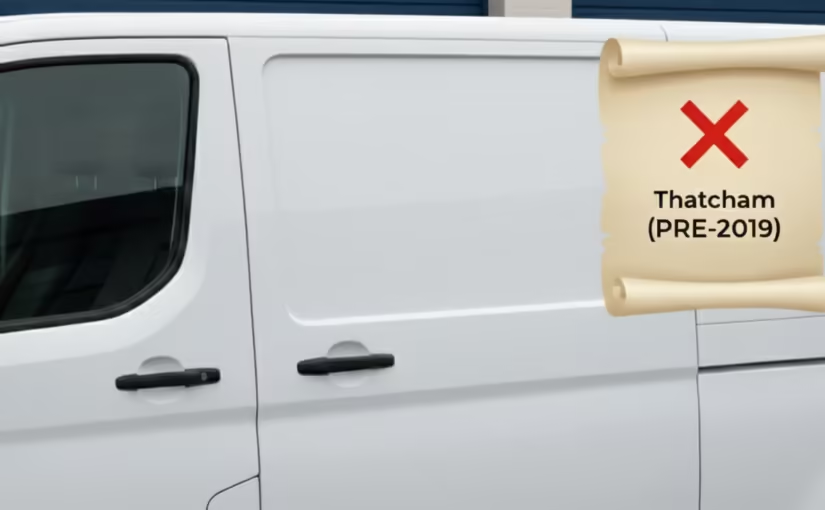
This confusion mainly comes from the historic role of Thatcham Research. For many years, Thatcham tested various vehicle security products, and some categories included mechanical door locks. As a result, when a lock passed their old tests, people used to say it was “insurance approved”. But since 2019, Thatcham no longer tests or certifies mechanical van locks.
This means:
- No aftermarket deadlock or slamlock on the market today holds an up-to-date Thatcham approval.
- Insurers do not operate any approval system of their own.
- The phrase is now mostly a leftover from the past or a marketing shortcut.
So when companies still advertise locks as “insurance approved”, they are usually referring to a concept that no longer exists.
Insurance Approved Van Locks and Their Impact on Premiums
Even without a formal approval scheme, extra locks can still play a role in insurance pricing – but not in the guaranteed or uniform way many owners expect.
- You might receive a small discount. A van with stronger physical security is less likely to be attacked, so some insurers may offer a reduced premium. However, the discount is usually modest and not available from every provider.
- Extra locks can help you qualify for tool cover. Some insurers require additional security before they will insure tools stored in the van, especially overnight.
- Insurers may consider it during claims. Additional locks show that you took reasonable steps to protect your vehicle. This can help avoid disputes.
- But: don’t expect dramatic savings. Mechanical locks rarely produce large premium reductions. The real value is in preventing a theft, not just lowering your premium.
What Insurers Actually Care About
While there is no official list of insurance approved van locks, insurers do care about van security. But they focus on other elements:
Factory-Fitted Systems
Most modern vans come with an immobiliser, which insurers treat as standard. Some policies state that theft cover only applies if the immobiliser is present and working.
Use of Security
Insurers expect you to use all the van’s security – alarms, central locking, extra locks. Leaving it unlocked may void your claim.
Evidence of Forced Entry
Tool theft claims often require proof of forced entry. Strong locks typically create visible damage, which helps prove a break-in occurred.
Overnight Storage Conditions
Tool cover often has strict conditions:
- Tools must be removed when parked at home
- Van parked in a locked garage or private driveway
- Additional locks required on the street
- Alarm or immobiliser must be active
If these rules aren’t followed, insurers may refuse to pay.
High-Value Vans and Trackers
For high-value vans and campervans, insurers may require an active tracking device (Thatcham-certified). Trackers are still approved under Thatcham categories, unlike mechanical locks.
If There Are No Insurance Approved Van Locks, Which Standards Matter?
Even without insurer approval, independent testing standards can guide your choice:
Sold Secure Ratings
Run by the Master Locksmiths Association, Sold Secure rates locks Bronze, Silver or Gold. Gold-rated locks offer the highest resistance to attack.
Secured by Design
This UK Police initiative certifies products that meet crime prevention standards. Many van locks have both Sold Secure Gold and Secured by Design approval.
Electronic Security from Thatcham
Although Thatcham no longer certifies physical locks, it still approves electronic security like alarms, trackers and immobilisers. These are often required.
Why Insurance Approved Van Locks Still Matter – Even Without Approval
Fitting aftermarket van locks may not guarantee a cheaper premium, but it makes a big difference in real-world theft prevention.
Additional Locks Strengthen Weak Points
Factory locks are vulnerable. Criminals often peel doors or force barrels. Extra locks create a second, tougher line of defence.
They Help Prevent Quick, Silent Break-ins
Thieves move fast. If a van looks difficult or noisy to break into, they often move on.
Visual Deterrent
Visible locks show the van is protected – making it a less attractive target.
They Reduce Damage Costs
A thief damaging a secondary lock may leave the factory mechanism untouched, saving on costly repairs.
They Help with Insurance Claims
If a break-in occurs, visible force on the locks supports your claim.
Choosing the Right Van Locks: Gold Standards and Beyond
If you want to go beyond basic protection:
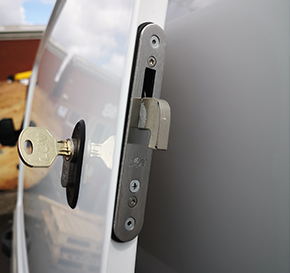
- Hooklocks: Resist peeling attacks.
- Slamlocks: Lock automatically – ideal for couriers.
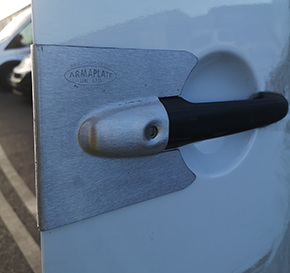
- Protection plates: Reinforce known attack points.
Choose locks that match your daily use – and combine them for best results.
How to Make Your Van Locks Count for Insurance
To avoid claim disputes and get the most value:
- Inform your insurer that extra locks are fitted.
- Use all locks every time you leave the vehicle.
- Keep proof of installation – photos, invoices, certificates.
- Understand policy conditions for tool cover and theft.
- Pair locks with electronics like alarms or trackers.
Insurance Approved Van Locks – The Bottom Line
There’s no such thing as officially insurance approved van locks, but that doesn’t mean extra locks don’t matter.
They:
- Deter theft
- Help validate insurance claims
- Unlock access to tool cover
- Reduce repair costs
- Protect your income and business continuity
Extra locks aren’t about chasing a discount – they’re about not needing to make a claim at all.
Final Thoughts on Insurance Approved Van Locks
Van insurance can be confusing – especially with outdated terms like “insurance approved locks” still being used. The key is knowing what really counts. Fitting high-quality locks, using them daily, and combining them with electronic security gives you real-world protection that insurers respect – even if they don’t officially approve it.
Follow us on Facebook or Instagram for practical van security tips and updates on real break-in methods, trends and prevention.